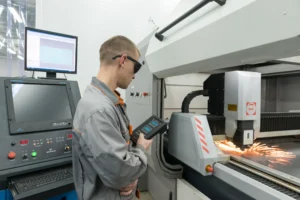
Introduction
Skilled trades offer practical, hands-on career pathways across industries such as construction, manufacturing, and industrial operations. Many trade careers are in demand and provide opportunities for stable employment.
If you enjoy working with tools, machinery, or technical systems, a career in the trades may be a suitable option.
What Are Skilled Trades?
Skilled trades involve hands-on work related to building, repairing, and maintaining systems, equipment, and structures.
Common areas include:
- electrical systems
- heating, ventilation, and air conditioning (HVAC)
- welding and fabrication
- automotive repair
- manufacturing and machining
- industrial machinery maintenance
Common Trade Careers
Examples of skilled trade careers include:
- Electrician
- HVAC Technician
- Welder
- Automotive Service Technician
- Construction Technician
- CNC Programmer / CNC Operator
- Industrial Mechanic (Millwright)
These roles involve working with tools, equipment, and technical systems in different environments.
Construction vs Manufacturing vs Industrial Trades
Construction Trades
Focus on buildings and infrastructure.
Examples:
- electrician
- HVAC technician
Manufacturing Trades
Focus on producing parts and materials.
Examples:
- CNC programmer
- welder
Industrial Trades
Focus on maintaining machinery and systems.
Examples:
- millwright
- industrial mechanic
Training Pathways
There are generally two main pathways into the trades:
1. Pre-Apprenticeship or Career College Programs
These programs provide foundational knowledge and hands-on training.
They often include:
- safety training
- tool usage
- basic technical skills
Some programs can be completed within several months.
2. Apprenticeship Pathway
Apprenticeships combine:
- on-the-job training
- classroom instruction
This pathway typically involves working under a licensed professional.
Skills Needed
- hands-on ability
- mechanical understanding
- problem-solving skills
- attention to detail
- ability to follow safety procedures
How to Get Started
- Choose a trade that interests you
- Explore training programs
- understand apprenticeship requirements
- consider funding options
- seek guidance
Not Sure Which Trade Fits You?
Conclusion
Skilled trades offer practical career pathways across construction, manufacturing, and industrial sectors. Choosing the right trade is the first step toward building long-term skills.